
Strength, Safety & Longevity:
At Aspire Coaching, our personal trainers see strength training as a long-term investment in how you move, feel, and perform in the real world, not just in the gym. Among all the tools we use with our clients, isometric work is one of the most underrated. In this guide, we’ll walk through isometric training benefits from the perspective of coaches who live and breathe performance every day, using both technology and deep coaching experience to guide every session.
Understanding Isometric Training Benefits for Real-World Performance
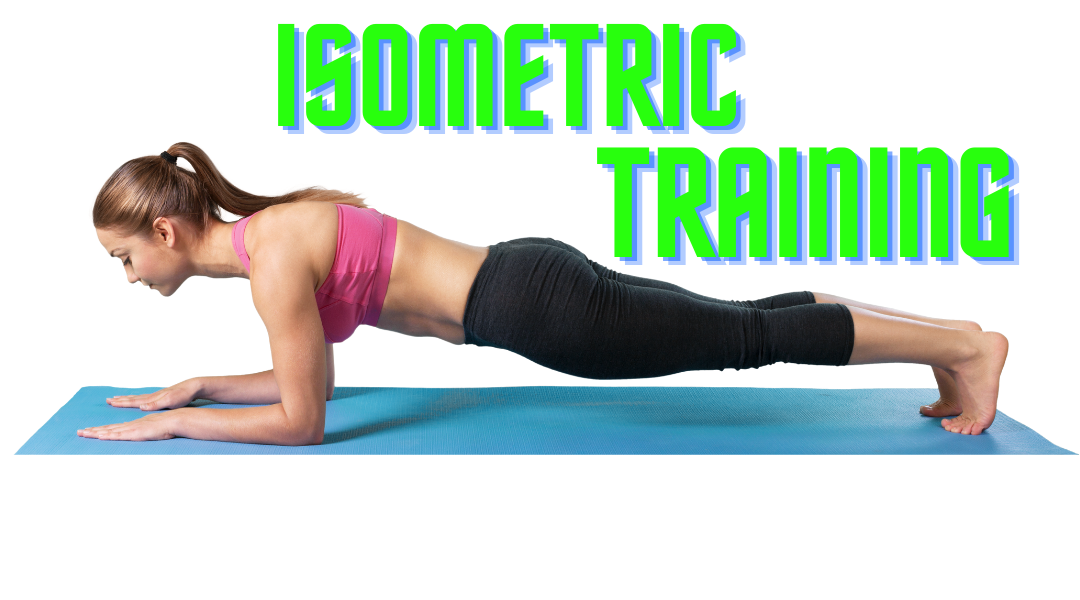
Isometric work happens when a muscle contracts without changing length. Think of a plank, a wall sit, or pushing against an immovable bar in a power rack. You’re working hard, but there’s no visible movement.
From a coaching and human performance standpoint, isometric work gives us several key advantages:
- High force with controlled risk – You can produce high tension at specific joint angles without the same joint stress that comes with heavy dynamic reps. This is especially useful for people with previous injuries or those returning after a layoff.
- Precise position training – We can put you exactly where you struggle with a sticking point in a squat, the bottom position of a push-up, or a weak angle in your shoulder and build strength right there.
- Neural efficiency – Because you’re holding tension rather than moving through a range, your nervous system can focus on recruiting muscle fibers efficiently at that exact angle. Over time, that carries over into more efficient, powerful movement.
At Aspire Coaching, we don’t use isometrics as a gimmick. We use them as a systematic tool for building strength, control, and durability in ways that align with your goals, your history, and your current capacity.
Why Isometrics Are a Smart Strategy for Joint Health and Longevity
Many of our clients come to us with a history of aches: knees that complain when they squat, shoulders that get irritated with pressing, or backs that feel tight after long days at work. For these people, simply “lifting heavier” is not a smart plan.
Isometric work allows us to:
- Load muscles while respecting joints – Because there is no acceleration or deceleration, there’s less shear stress on the joints. We can still challenge the muscles without asking your joints to absorb repeated impacts.
- Gradually test and build tolerance – We can start with lower-intensity holds and short durations, monitor how you feel during and after, then progress duration or force over time.
- Support tendons and connective tissue – Well-structured isometric work helps tendons learn to tolerate tension at specific angles. This is particularly helpful for knees, Achilles, and elbows when used correctly within a full program
For midlife clients, busy professionals, and those who’ve already “earned” a few nagging pains, this approach can be the difference between training consistently for years or constantly stopping and restarting after injuries.
How We Use Technology to Make Every Isometric Rep Count
We believe that what gets measured gets managed. While isometric work can be as simple as a timed plank, at Aspire Coaching we often go deeper.
Depending on the client, we may use:
- Force measurement tools – Devices that measure how hard you’re pushing or pulling against a fixed bar or handle. This helps us track your maximum and submaximal efforts over time instead of guessing.
- Real-time feedback – Visual or numerical feedback (e.g., “hold 60–70% of your max force for 20 seconds”) makes your effort more precise. You’re not just “trying hard” , you’re hitting a specific target.
- Monitoring systems – Heart rate, rate of perceived exertion (RPE), and recovery markers help us decide when to push harder and when to dial things back.
This data-driven approach keeps you safely challenged. Instead of feeling alone, we can say, “Last month you held 70% of your max force in this position for 15 seconds; today you held it for 25 seconds.” That’s real progress, not just sweat.
Practical Ways We Use Isometrics for Different Clients
Isometric work is not a one-size-fits-all tool. Here’s how we commonly apply it across different types of clients:
1. Busy Professionals and Beginners
For people who are new to training or returning after a long break, we use isometric work to build control and confidence:
- Wall sits for lower body strength and endurance
- Planks and side planks for trunk stability
- Isometric rows and holds for posture and upper back strength
These are simple to learn, easy to coach, and give you a strong foundation before we ask for heavier dynamic movement.
2. Lifters and Strength Enthusiasts
For more experienced lifters, isometric work becomes a high-precision tool:
- Overcoming isometrics – Pushing or pulling against immovable pins in a rack at your sticking point, such as just above the bottom of a squat or at mid-range in a bench press.
- Yielding isometrics – Holding a position under load, such as pausing halfway up in a split squat or holding a deadlift just off the floor.
This helps you build strength where it matters most, improving bar speed and control in your main lifts.
3. Endurance and Field Sport Athletes

For runners, cyclists, and field sport athletes, isometric work helps develop:
- Stiffness in the right places – Strong, responsive ankles and hips that allow better force transfer into the ground.
- Position resilience – The ability to maintain good posture and joint alignment under fatigue.
We can tailor holds that mimic the demands of your sport, static lunge positions for runners, specific trunk and hip positions for change-of-direction athletes, and more.
Programming Isometrics into a Weekly Plan at Aspire Coaching
Isometric work should support your life and sport, not dominate your training. Here’s how we often integrate it into a week:
Example 3-Day Strength Plan
- Day 1 – Lower Body Focus
- Primary lift: Squat or hinge pattern (e.g., trap bar deadlift)
- Isometric block: Wall sits, isometric hamstring bridge holds, or isometric calf holds
- Accessory work: Glute, core, and upper back exercises
- Day 2 – Upper Body Focus
- Primary lifts: Horizontal press and row
- Isometric block: Push-up position holds, isometric row holds (squeezing at the top), scapular positioning drills
- Accessory work: Rotator cuff, grip, and posture drills
- Day 3 – Mixed Strength and Conditioning
- Mixed movement patterns at lower loads
- Isometric block: Trunk stability (planks, anti-rotation holds), split squat position holds
- Conditioning: Short, controlled intervals that match your fitness level
We adjust variables like hold duration, intensity (how hard you’re pushing/pulling), rest time, and total volume based on your training age, goals, and recovery.
Technique and Breathing: The Details That Keep You Safe
Isometric work looks simple, but doing it at a high level requires attention to detail. As coaches, we prioritize:
- Setup and alignment – Before you even start a hold, we check joint angles, foot position, ribcage and pelvis alignment, and head position. This ensures we’re loading the right tissues, not overloading irritated ones.
- Breathing strategy – Many people instinctively hold their breath when effort rises. We teach you to coordinate breathing with tension, using controlled inhales and long, steady exhales to keep blood pressure responses in a safe range.
- Effort awareness – Instead of going “all out” every time, we often work in zones of 50%, 70%, or 90% effort depending on the objective of the session.
These details are what separate casual isometric holds from a structured, high-level strength strategy.
Common Mistakes People Make with Isometric Work
On social media, isometric drills often show up as random challenges: “ 5-minute wall sit” or “3-minute plank.” These can be more about suffering than progress. Some common mistakes we see:
- Chasing duration over quality
Long, sloppy holds teach your body to survive a position, not to create high-quality tension. Shorter, focused holds are usually more effective.
- Ignoring joint position
A wall sit with knees collapsing inward, a plank with sagging hips, or an isometric row with rounded shoulders builds poor patterns. We correct these before loading.
- Using them only as “finishers”
Isometric work has far more value than just a burnout at the end of a workout. Used early in a session, it can prime your nervous system and sharpen your positions for the main lifts.
At Aspire Coaching, we treat isometrics as a programmable variable just like sets, reps, and load not as a random challenge.
Who Benefits Most from a Thoughtful Isometric Strategy?
While nearly everyone can benefit from this type of work when it’s programmed well, we see particularly strong results in:
- Desk-bound professionals – Isometric work that targets postural muscles (upper back, trunk, hips) helps counter long hours of sitting and screen time.
- Clients coming back from pain or time off – With approval from their healthcare providers, we use isometrics to gently re-introduce tension and confidence into previously sensitive areas.
- Masters athletes and older adults – Isometric work offers a way to maintain high levels of strength and muscle activity with less joint wear and tear.
- High performers with tight schedules – Because isometric sets can be intense yet time-efficient, they fit well into focused, structured sessions.
Our coaches match the intensity, position, and frequency of isometric work to your life, not the other way around.
How We Bring It All Together at Aspire Coaching
Our philosophy is simple: strong bodies, clear data, and smart coaching. Isometric work fits that philosophy perfectly.
When you train with us, we don’t just hand you a list of exercises and ask you to “hold this for 30 seconds.” We:
- Assess your movement, history, and current capacity
- Decide where static holds will create the most impact
- Use feedback visual, numerical, and subjective to track your progress
- Adjust positions, angles, and effort as you adapt
- Integrate isometric work with dynamic strength, conditioning, and recovery so your training supports your entire life, not just your time in the gym
Bringing Isometric Training into Your Own Program
When you apply isometric training benefits with a clear plan, expert coaching, and smart use of technology, you build more than strength. You build stability around your joints, confidence in your positions, and the kind of control that carries into sport, work, and everyday life.
At Aspire Coaching, we see isometric work as one of the most powerful levers for better performance and long-term resilience especially when it’s tailored to you. If you’d like to see how this approach can fit your goals, visit www.theaspireclub.com and connect with our coaching team.
Bring your training history, your aches, your ambitions, and your questions. We’ll bring the structure, experience, and attention to detail needed to turn each static hold into a step forward in how you move, feel, and perform.
Connect with us today:
- Contact us: https://theaspireclub.com/contact-us/
- Phone: +6680 188 4114
- Social: Follow us on Instagram, and Facebook @AspireCoaching