
At Aspire Coaching, we’ve seen firsthand how flow state performance can dramatically affect results, whether in sports, business, or creative work. Flow isn’t just a buzzword, it’s a scientifically studied state of peak focus, deep engagement, and high efficiency. Understanding the neuroscience behind it, along with practical ways to access it, can help anyone perform at their best. In this article, we’ll break down the science of flow, why it matters, and strategies to bring it into your daily practice.
What Is Flow State Performance?
Flow state performance is a mental state where you are fully immersed in an activity, with a sense of effortless focus and energy. In this state, time seems to distort, distractions fade away, and performance often reaches its highest level. Psychologist Mihaly Csikszentmihalyi, who first described flow, found that people in flow report a balance between challenge and skill, tasks are neither too easy to cause boredom nor too hard to cause anxiety.
In our experience at Aspire Coaching, achieving flow is not random. It’s a combination of mindset, environment, and preparation. Understanding these elements allows anyone to create conditions where flow becomes more accessible.
The Neuroscience Behind Flow
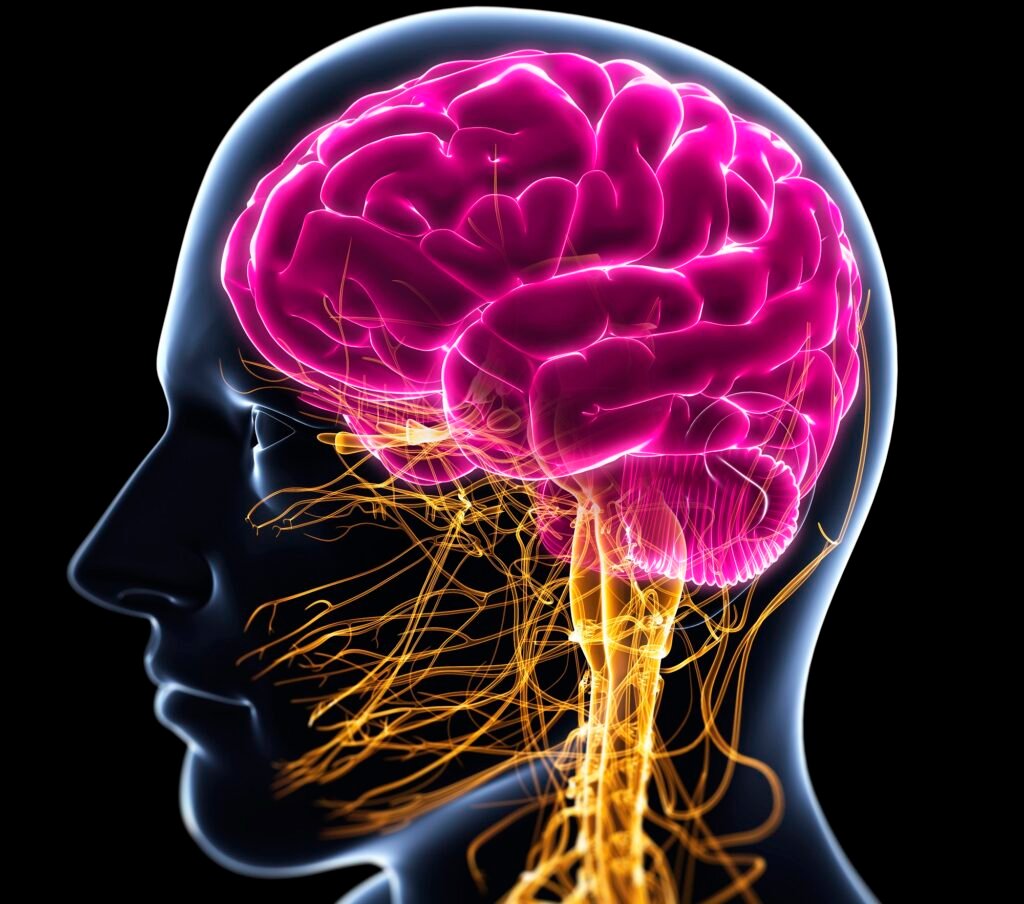
Flow is more than a subjective experience, it’s a measurable brain state. Neuroscience has shown that flow involves changes in brain chemistry and network activity:
- Neurotransmitters: Dopamine, norepinephrine, and endorphins increase during flow, improving focus, motivation, and mood. These chemicals also enhance pattern recognition, reaction time, and creativity.
- Transient Hypofrontality: In flow, activity in the prefrontal cortex decreases, reducing self-consciousness and internal critique. This allows actions to feel effortless and automatic.
- Brainwave Patterns: Flow is often associated with alpha and theta brainwaves, supporting relaxed yet highly focused attention.
These mechanisms explain why individuals in flow often describe tasks as “easy” or “automatic,” even when performing complex work. At Aspire Coaching, we focus on helping our clients create routines that align with these brain processes, making flow more consistent.
Conditions That Support Flow
Flow doesn’t occur by accident. Certain conditions make it more likely to appear:
- Clear Goals: Knowing exactly what you’re aiming to achieve focuses your attention and minimizes mental clutter.
- Immediate Feedback: Continuous feedback allows you to adjust and stay engaged. Athletes and musicians often experience flow because they receive instant feedback from their performance.
- Balanced Challenge: The task should match your skill level. Too easy leads to boredom; too hard leads to frustration.
- Minimized Distractions: A controlled environment reduces interruptions and allows deeper focus.
- High Commitment: Engagement requires dedication. Flow often appears when you care deeply about the outcome.
We emphasize to our clients that these conditions are practical levers. They are not abstract ideas, they can be deliberately applied in work, training, or creative endeavors.
Practical Tactics to Enter Flow
While flow might feel mysterious, it can be encouraged through deliberate practice. Here are tactics we use at Aspire Coaching:
1. Structuring Time
Break your work or training into focused blocks with clear goals. The Pomodoro technique, or variations with longer periods of deep work, helps the brain enter a state of sustained concentration. During these blocks, eliminate notifications, close irrelevant tabs, and signal to yourself that interruptions are not allowed.
2. Mindfulness and Mental Preparation
We often guide clients through mindfulness exercises to prepare the mind for flow. Techniques like deep breathing, progressive muscle relaxation, or short meditation sessions reduce stress and quiet the internal dialogue that can block focus.
3. Task Alignment
Tasks that align with personal strengths and interests naturally facilitate flow. We encourage individuals to identify the activities where they feel most competent and energized, then structure practice around these areas.
4. Physical Readiness
Flow isn’t purely mental. Physical readiness, including proper sleep, nutrition, and movement, supports mental focus. In our coaching sessions, we integrate light movement or warm-up exercises to help the body and brain synchronize.
5. Focused Challenge
Set goals slightly above current skill level. This “sweet spot” of challenge is crucial. Too easy, and the brain disengages; too hard, and stress dominates. Flow emerges when there’s a tension between ability and difficulty that the brain finds stimulating.
Flow in Sports and Performance

Athletes frequently describe flow as “being in the zone.” Neuroscience confirms this is more than perception; it is a measurable state. For instance, elite runners often report a sense of time distortion, automatic pacing, and effortless coordination. In team sports, players in flow can anticipate movements and decisions more accurately, as the brain processes patterns unconsciously.
At Aspire Coaching, we apply these insights to help athletes and performers structure their practice, competitions, and recovery to maximize flow experiences. The goal is not just occasional peak performance but developing a repeatable system that nurtures sustained focus and excellence.
Flow in Work and Creativity
Flow is equally relevant outside of sports. Professionals in business, arts, and research often reach their best work in flow states. We see that deep engagement in problem-solving, writing, or creative projects leads to higher productivity, better ideas, and reduced mental fatigue.
Creating flow in work involves:
- Clear task definition
- Focused, distraction-free environments
- Iterative feedback and reflection
- Skill-challenging assignments
Applying flow principles systematically can improve not only output but also job satisfaction, as individuals experience meaningful engagement in their work.
Overcoming Common Flow Barriers
Even with the best intentions, flow can be elusive. Common barriers include:
- Multitasking: Switching between tasks disrupts focus and prevents deep engagement.
- Excessive Stress: High anxiety levels reduce the brain’s ability to focus and engage in creative problem-solving.
- Unclear Goals: Without clear targets, attention drifts, and the brain cannot enter deep engagement.
At Aspire Coaching, we help individuals identify these barriers and implement strategies to address them. For example, creating structured work sessions, practicing relaxation techniques, and setting micro-goals can all facilitate smoother entry into flow.
Measuring and Tracking Flow
Flow is inherently subjective, but there are ways to track its occurrence and intensity:
- Self-Reflection: Journaling or logging when flow occurs helps identify patterns in tasks, environment, and timing.
- Performance Metrics: Objective outcomes like speed, accuracy, or creative output can indicate flow periods.
- Physiological Signals: Heart rate variability, breathing rhythm, and focus patterns often correspond with flow states.
By tracking flow experiences, we can refine conditions to make flow more consistent and predictable, increasing overall performance.
Integrating Flow Into Daily Life
The real benefit of flow comes from consistent application, not isolated experiences. At Aspire Coaching, we guide clients to integrate flow into everyday life:
- Morning Focus Sessions: Starting the day with high-priority tasks when the mind is fresh increases flow likelihood.
- Skill Practice Blocks: Scheduling challenging but achievable practice sessions develops skill and focus simultaneously.
- Active Reflection: Post-task reflection on performance and focus helps fine-tune strategies.
- Recovery Practices: Adequate rest and stress management ensure the brain and body are ready for future flow experiences.
This structured approach ensures that flow becomes part of a broader performance strategy rather than an unpredictable occurrence.
Applying Flow Principles for Consistent Results
Flow state performance is not a random phenomenon, it is a predictable outcome when the right conditions are met. Neuroscience provides a clear explanation of how focus, neurotransmitters, and brain networks support peak performance. Practical strategies, from structured work blocks to mindfulness and skill alignment, allow us to consistently access this state.
At Aspire Coaching, we integrate these insights into every client program, helping individuals in sports, business, and creative fields perform at their best. By understanding the science and applying actionable tactics, flow can become a repeatable part of your daily routine, enhancing focus, productivity, and satisfaction.
Connect with us:
- Website: www.theaspireclub.com
- Contact us: https://theaspireclub.com/contact-us/
- Phone: +6680 188 4114
- Social: Follow us on Instagram, and Facebook @theaspireclub
Learn more about our coaching approach or speak with our team at www.theaspireclub.com to see how we can help you apply flow principles in a way that fits your goals and daily demands.