
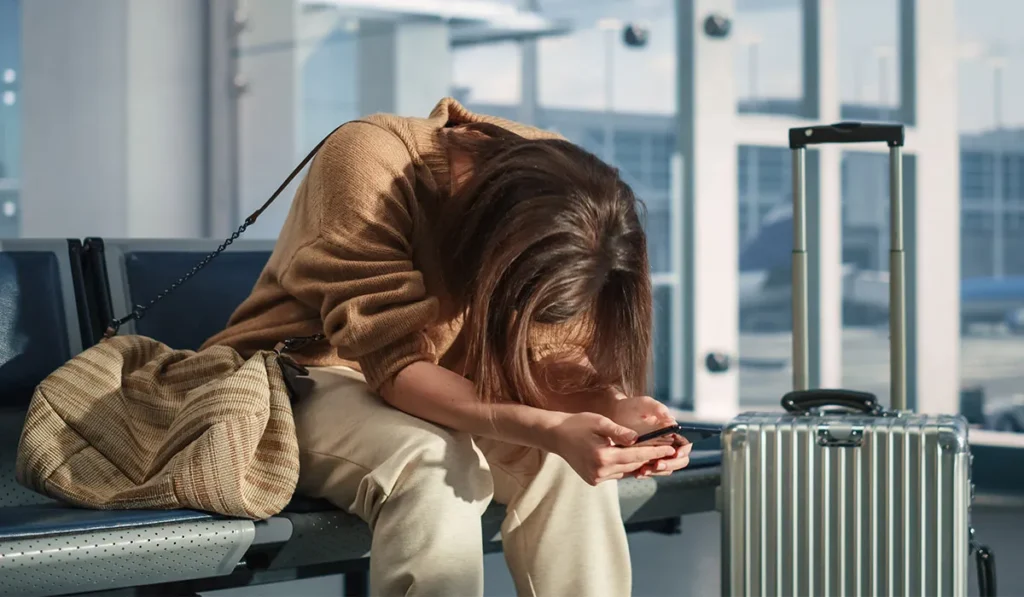
Travel can be exciting and necessary, but it often comes with a cost to your body. Long flights, changes in time zones, and irregular schedules can leave you feeling drained, stiff, and sluggish. At Aspire Coaching, we understand how travel fatigue can affect both your performance and overall well-being. That’s why we want to share practical travel recovery tips to help your body reset, reduce fatigue, and regain energy as quickly as possible.
Understanding Travel Fatigue
Travel fatigue is more than just feeling tired. It occurs when your body faces multiple stressors at once: sitting for long periods, dehydration, poor sleep, and disrupted circadian rhythms. When these factors combine, your body struggles to function at its best.
Some common signs of travel fatigue include:
- Stiffness or soreness in your muscles and joints
- Headaches or mild migraines
- Trouble concentrating or feeling mentally foggy
- Low energy and increased irritability
- Digestive issues
By addressing these areas proactively, you can reduce the negative effects of travel and restore your energy faster.
Hydration: Your First Priority
One of the most overlooked travel recovery tips is hydration. Airplane cabins have low humidity, which causes your body to lose water quickly. Even mild dehydration can worsen fatigue, slow recovery, and make you feel sluggish.
We recommend:
- Drinking water consistently throughout your flight
- Avoiding excessive caffeine and alcohol, which can increase dehydration
- Starting your day with a glass of water and continuing to sip regularly after arrival
Electrolyte drinks or water with a pinch of salt can also help replenish minerals lost during long flights, particularly if you’re traveling through multiple time zones or climates.
Movement and Stretching
Sitting in a confined space for hours affects circulation, muscle flexibility, and joint health. Gentle movement and stretching are critical for recovery.
Before your flight:
- Perform light stretches to loosen your hips, hamstrings, and shoulders
- Walk around the terminal when possible
During the flight:
- Stand or walk every 60–90 minutes if the situation allows
- Perform in-seat stretches, such as calf raises, shoulder rolls, and neck rotations
After arrival, focus on full-body mobility exercises to restore circulation and reduce stiffness. Yoga or dynamic stretching can be especially helpful for resetting your body after prolonged sitting.
Sleep and Circadian Rhythm Management
Sleep disruption is one of the main contributors to travel fatigue. Crossing time zones can confuse your internal clock, leaving you tired during the day and awake at night.
We suggest:
- Aligning your sleep schedule with your destination before departure when possible
- Exposing yourself to natural light to help reset your circadian rhythm
- Taking short naps of 20–30 minutes if needed, but avoiding long naps that could interfere with nighttime sleep
Using sleep masks, earplugs, or white noise apps can also improve sleep quality during flights and in new environments.
Nutrition for Recovery
What you eat while traveling affects how your body recovers. Poor food choices can contribute to fatigue, digestive discomfort, and slower recovery.
Travel recovery tips for nutrition include:
- Eating balanced meals with adequate protein, healthy fats, and fiber
- Avoiding heavy or processed foods that can cause sluggishness
- Keeping healthy snacks on hand, such as nuts, fruit, or protein bars
- Staying hydrated through water-rich foods, such as vegetables and fruits
Proper nutrition helps your body repair tissues, maintain energy levels, and stay alert, even after long periods of travel.
Active Recovery: Light Exercise
Once you arrive at your destination, engaging in light exercise can accelerate recovery. Low-intensity activity promotes circulation, reduces stiffness, and improves mood.
Recommended activities include:
- Walking outdoors to get fresh air and sunlight
- Gentle cycling or swimming
- Stretching routines or yoga sessions
We avoid pushing your body too hard immediately after travel. High-intensity workouts can increase fatigue and delay recovery. Instead, we focus on movement that restores rather than strains your system.
Breathing and Stress Management

Travel can be stressful, and stress exacerbates fatigue. Mindful breathing and relaxation techniques are simple yet effective ways to support recovery.
Try the following:
- Deep diaphragmatic breathing for a few minutes, several times a day
- Short meditation sessions to reduce tension and improve mental clarity
- Progressive muscle relaxation to release stiffness and calm the nervous system
Incorporating these habits into your travel routine can help you feel more centered, alert, and energized.
Compression and Circulation Support
For those prone to swelling or stiffness during flights, compression clothing can be useful. Compression socks or sleeves help maintain circulation and prevent blood pooling in the lower extremities.
We also recommend:
- Gentle ankle pumps and leg stretches during your flight
- Walking periodically when possible
- Elevating your legs briefly after landing to reduce swelling
These small steps can significantly improve comfort and speed recovery after long hours of sitting.
Adjusting to Local Time
Adapting to your destination’s time zone is crucial to overcoming travel fatigue. Gradual exposure to sunlight, proper meal timing, and structured activity schedules can help.
We suggest:
- Eating meals according to local time
- Getting morning light exposure to reinforce wakefulness
- Avoiding naps longer than 30 minutes during the day
- Engaging in light activity in the morning and early afternoon to encourage alertness
This approach helps your body adjust naturally without relying on excessive caffeine or stimulants.
Hydration and Electrolytes After Travel
Returning to proper hydration after arrival is equally important. Electrolytes help restore fluid balance and prevent lingering fatigue.
Key tips include:
- Drinking water steadily throughout the day
- Including mineral-rich foods like leafy greens, bananas, or coconut water
- Avoiding excess caffeine or alcohol, which can dehydrate you further
We find that consistent hydration paired with balanced meals is one of the fastest ways to regain energy post-travel.
Using Recovery Tools Wisely
At Aspire Coaching, we encourage using recovery tools strategically. Foam rollers, massage balls, and gentle stretching devices can help release tension and improve blood flow.
Recommended recovery tools:
- Foam rollers for back, legs, and shoulders
- Massage balls for targeted areas like the glutes or calves
- Portable massage devices or handheld massagers for travel
These tools support circulation and help maintain muscle and joint health during periods of reduced activity.
Mindful Planning for Future Travel
Travel recovery isn’t just about post-flight strategies. Planning ahead can reduce fatigue before it starts.
Consider:
- Scheduling flights that align with your body’s natural rhythm
- Choosing seats with more legroom when possible
- Packing snacks, hydration, and recovery tools in your carry-on
- Allowing recovery days in your itinerary for physical adjustment
We approach travel as a system, where preparation, movement, nutrition, and rest all contribute to better recovery.
The Importance of Consistency
Recovering from travel fatigue isn’t a one-off activity. Consistency in hydration, sleep, movement, and nutrition yields the best results.
At Aspire Coaching, we integrate these practices into our routines to maintain energy, focus, and performance. Whether you travel for work or leisure, following these tips consistently helps your body reset and adapt efficiently.
Practical Checklist for Travel Recovery
Here’s a practical checklist you can follow after any long flight:
- Drink water immediately upon landing
- Do light stretches and a short walk
- Eat a balanced meal with protein, healthy fats, and vegetables
- Take short, controlled naps if needed
- Expose yourself to natural light to adjust circadian rhythm
- Perform gentle breathing or mindfulness exercises
- Use compression socks or recovery tools if necessary
- Plan a light exercise session for the following day
Following this checklist helps you recover faster and reduces the risk of lingering fatigue.
Reset Your Body After Travel
Managing travel fatigue doesn’t have to be complicated. By prioritizing hydration, movement, sleep, nutrition, and mindful recovery, you can reset your body efficiently. Implementing these travel recovery tips allows you to feel energized, focused, and ready to perform at your best, even after long flights.
At Aspire Coaching, we focus on practical strategies that integrate seamlessly into your travel routine. With the right approach, travel fatigue becomes manageable, and your body can maintain balance and resilience no matter where your journey takes you.
Connect with us:
- Website: www.theaspireclub.com
- Contact us: https://theaspireclub.com/contact-us/
- Phone: +6680 188 4114
- Social: Follow us on Instagram, and Facebook @theaspireclub
If you want personalized guidance to recover faster from travel and maintain peak performance, reach out to us at Aspire Coaching today.