
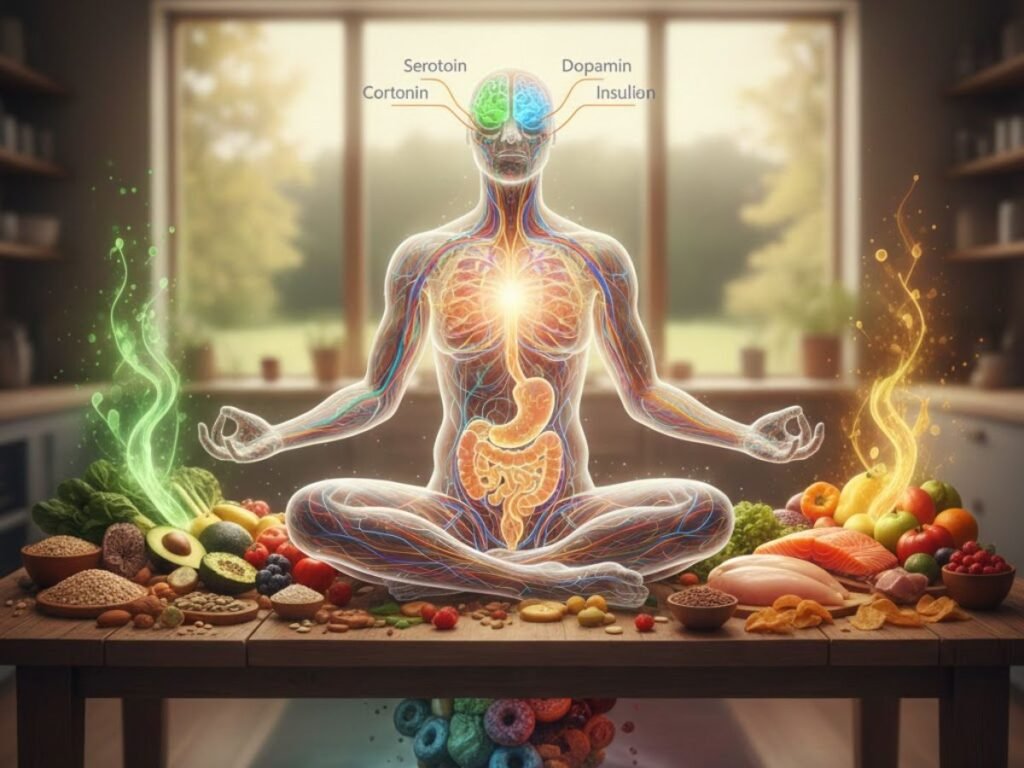
We understand that health is a complex interaction of many systems in the body, and few are as critical as the connection between nutrition and hormone balance. Hormones regulate nearly every process in the body, from energy levels and sleep cycles to appetite, mood, and even motivation. What we eat directly influences how these chemical messengers perform, affecting our daily performance, emotional stability, and long-term health.
Understanding the principles helps us make more informed choices. By aligning nutrition with hormone balance, we not only improve physical health but also support mental clarity, emotional resilience, and sustained energy. In this article, we will break down the ways food interacts with hormones and offer practical strategies you can apply to daily life.
How Food Impacts Hormonal Health
Hormones are chemical messengers that travel through the bloodstream, delivering instructions to organs and tissues. Key hormones like insulin, cortisol, thyroid hormones, and sex hormones respond directly to what we consume. Even small dietary choices can have immediate and long-term effects on their function.
- Blood Sugar and Insulin Regulation
Insulin is essential for regulating blood sugar. When we eat carbohydrates, especially refined carbs, blood sugar rises rapidly, prompting a surge in insulin. Repeated spikes can lead to insulin resistance, which increases the risk of type 2 diabetes and weight gain. Including balanced sources of protein, healthy fats, and fiber slows the rise in blood sugar, keeping insulin levels steady. This approach not only supports hormone balance but also stabilizes energy and reduces sugar cravings.
Practical example: pairing an apple with almond butter or a boiled egg with whole-grain toast helps maintain blood sugar stability throughout the day. Even minor adjustments like this can have a meaningful impact on insulin and energy.
- Cortisol and Stress Response
Cortisol, commonly known as the stress hormone, fluctuates naturally throughout the day. Poor nutrition can amplify cortisol levels, leading to fatigue, irritability, and difficulty concentrating. Meals with adequate protein, complex carbohydrates, and micronutrients like magnesium and vitamin C can help maintain healthy cortisol patterns. We emphasize regular, balanced meals to prevent unnecessary hormonal spikes and dips that affect mood and performance.
Additionally, hydration, sleep, and physical activity are closely linked to cortisol balance. We guide clients to combine nutrition with lifestyle strategies to reduce stress-driven hormone imbalances effectively.
- Sex Hormones and Reproductive Health
Estrogen, progesterone, and testosterone play critical roles in reproduction, muscle mass, bone health, and overall vitality. Diet affects these hormones through body composition, nutrient intake, and overall metabolic health. Healthy fats from sources such as olive oil, avocado, and fatty fish support hormone synthesis. Adequate protein ensures that the body has the building blocks needed for hormone production. Deficiencies or excesses in certain nutrients can disrupt cycles, energy, and mood.
We also encourage monitoring portion sizes and timing meals around activity. For example, consuming protein and carbohydrates after exercise can help regulate testosterone and cortisol responses, supporting recovery and maintaining lean muscle mass.
Nutrition Strategies for Hormone Support
Our approach at Aspire Coaching emphasizes actionable nutrition strategies designed to support hormone balance consistently. These strategies are based on evidence and practical experience working with clients of all ages and fitness levels.
- Prioritize Protein at Every Meal
Protein is critical for stabilizing blood sugar, supporting muscle maintenance, and aiding hormone production. Incorporating lean meats, poultry, fish, legumes, eggs, and plant-based protein options at each meal ensures the body has the necessary amino acids. This also helps reduce hunger fluctuations and maintains steady energy, which is key for mood and motivation.
- Include Healthy Fats
Healthy fats are often misunderstood but are essential for hormone production, particularly for sex hormones. Monounsaturated fats (like olive oil and nuts) and polyunsaturated fats (like fatty fish and flaxseeds) should be included regularly. These fats support cell membranes, hormone synthesis, and even brain function, which directly affects mood and focus.
We recommend combining fats with other macronutrients for better absorption and stable energy. For instance, adding avocado to a salad with grilled chicken provides both satiety and nutrient synergy.
- Focus on Fiber-Rich Foods
High-fiber foods such as vegetables, fruits, legumes, and whole grains support gut health, which is closely linked to hormone regulation. Fiber assists in regulating insulin and estrogen levels by promoting healthy digestion and supporting a balanced microbiome. Including a variety of colorful produce ensures an intake of essential vitamins and minerals that aid hormonal pathways.
Practical tip: incorporating a mix of soluble and insoluble fiber, such as oatmeal with berries or a chickpea salad, can promote healthy digestion and support hormone metabolism.
- Limit Refined Sugar and Processed Foods
Frequent consumption of refined sugar and ultra-processed foods can disrupt insulin and cortisol, causing energy crashes, cravings, and mood instability. We recommend a diet centered on whole, minimally processed foods. When cravings occur, choosing nutrient-dense alternatives helps maintain balance without feeling deprived.
- Mindful Timing and Meal Patterns
How and when we eat can also influence hormones. Regular meal timing supports metabolic health, cortisol rhythms, and appetite regulation. Skipping meals or inconsistent eating can lead to blood sugar swings and elevated stress hormones, affecting motivation and mood throughout the day. We guide clients to develop meal patterns that align with their lifestyle while supporting consistent energy levels.
Micronutrients in Hormone Function
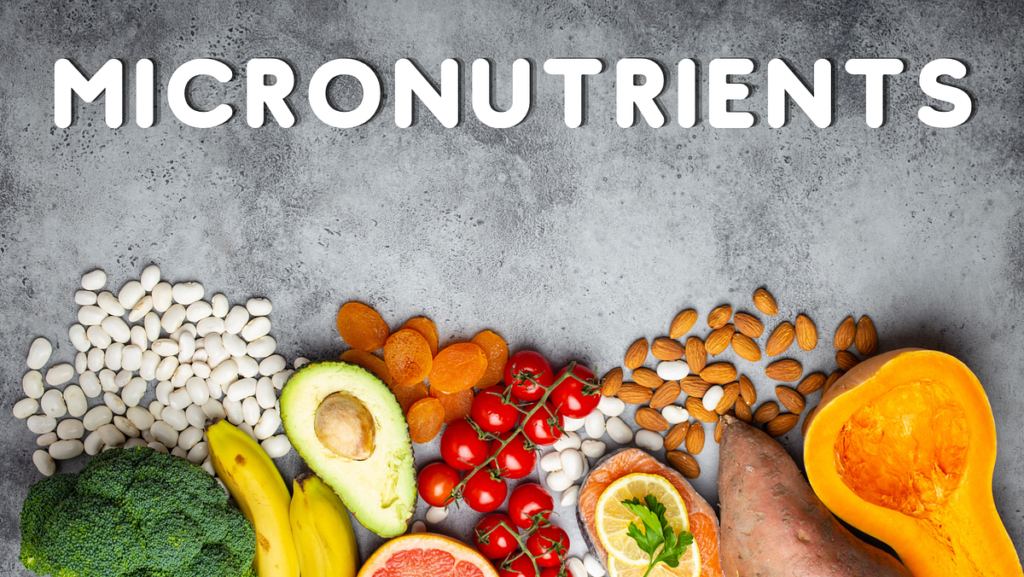
Vitamins and minerals act as co-factors in hormone production and metabolism. Deficiencies can create imbalances that affect mood, energy, and even sleep quality. Some key nutrients include:
- Magnesium: Supports insulin regulation, reduces cortisol, and aids sleep.
- Vitamin D: Plays a role in sex hormone synthesis and immune health.
- B Vitamins: Essential for energy metabolism and neurotransmitter production.
- Zinc: Supports testosterone production and immune function.
- Iodine and Selenium: Crucial for thyroid hormone production and metabolism.
We assess nutrition holistically to ensure that clients receive adequate micronutrients through food first, supplemented as necessary under professional guidance. In addition, seasonal foods and local produce can enhance nutrient diversity, which supports hormone adaptability and resilience.
How Nutrition Influences Mood and Motivation
The link between diet and mental state is well-documented. Hormones influenced by nutrition play a central role in emotional regulation and motivation.
- Serotonin: Often referred to as the “feel-good hormone,” serotonin is synthesized from tryptophan, an amino acid found in protein-rich foods. Adequate serotonin levels support stable mood and focus.
- Dopamine: A key driver of motivation, dopamine levels are supported by protein, tyrosine-rich foods, and micronutrients like magnesium and B vitamins.
- Cortisol Balance: Stabilized cortisol reduces stress-related mood swings and maintains mental clarity, improving motivation and decision-making.
Simple dietary changes can have immediate effects. For example, starting the day with eggs and vegetables or a Greek yogurt parfait with fruit and nuts supports both serotonin and dopamine pathways, helping maintain focus and motivation throughout the morning.
Practical Steps to Align Nutrition and Hormones
We translate science into practical steps that fit real-world life. Here are key actions we recommend:
- Start with Balanced Meals: Include protein, healthy fats, and fiber at every meal to maintain blood sugar and hormone stability.
- Track Symptoms and Patterns: Mood, energy, sleep, and digestion can indicate hormone imbalances. Monitoring these helps guide nutritional adjustments.
- Prioritize Whole Foods: Focus on minimally processed foods rich in essential nutrients.
- Stay Hydrated: Water intake supports digestion, metabolism, and hormone transport.Moderate Stimulants: Excess caffeine or sugar can disrupt cortisol and sleep patterns.
At Aspire Coaching, we combine these principles with personalized coaching to create a sustainable approach to hormone health.
The Long-Term Benefits of Nutrition and Hormone Balance
Supporting hormones through nutrition is not about short-term fixes. Consistent dietary habits can:
- Stabilize energy levels and reduce fatigue
- Improve sleep quality
- Enhance mental clarity and focus
- Support mood regulation and emotional resilience
- Maintain healthy weight and body composition
- Reduce the risk of chronic conditions like diabetes, heart disease, and hormonal disorders
Clients who embrace these principles report improved day-to-day functioning, better stress management, and a stronger sense of motivation to pursue personal and professional goals. By combining targeted nutrition with lifestyle guidance, we help clients sustain results and maintain overall wellness.
How Aspire Coaching Supports Hormonal Health
At Aspire Coaching, we integrate nutrition, lifestyle, and fitness to support holistic hormone balance. We assess each client’s unique physiology and lifestyle factors, creating a plan that includes:
- Personalized nutrition strategies
- Exercise plans that complement hormone regulation
- Lifestyle guidance for stress, sleep, and energy management
- Regular progress tracking to ensure results are measurable and sustainable
Our experience working with diverse clients allows us to address individual needs while emphasizing practical, science-based strategies that support lasting well-being.
Aligning Nutrition with Hormone Health
Nutrition and hormone balance are inseparable. The foods we choose influence our physical health, mental clarity, and emotional stability. By focusing on balanced meals, nutrient-rich foods, and consistent lifestyle practices, we can maintain hormone health, improve mood, and sustain motivation.
At Aspire Coaching, we guide our clients through evidence-based strategies that connect nutrition and hormone balance with overall hormonal function, helping them feel better, think clearer, and maintain the energy needed to live fully. Attention to nutrition is more than a diet; it’s an investment in hormone health, overall wellness, and long-term vitality.
Speak with Our Coaching Team:
- Website: www.theaspireclub.com
- Contact us: https://theaspireclub.com/contact-us/
- Phone: +6680 188 4114
- Social: Follow us on Instagram, and Facebook @theaspireclub
If you’re ready to take control of your health and support your hormones through better nutrition, contact us today at Aspire Coaching to start a personalized plan designed for your body and lifestyle.