
Strength training for women in Bangkok.
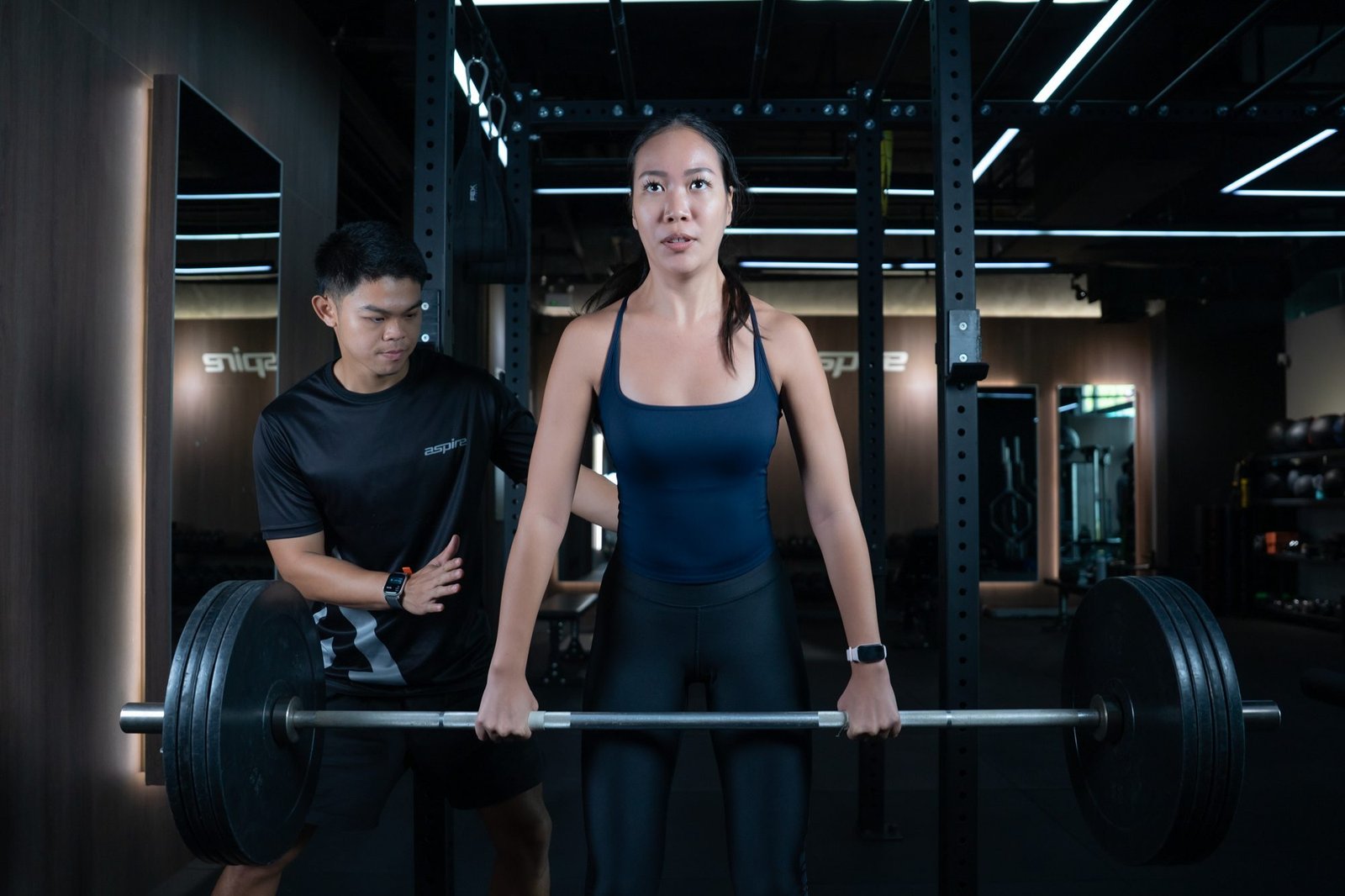
A private studio with female personal trainers on the team. You train one to one, or semi private with a friend, on a program built from your assessment and reviewed against your own numbers every two weeks.
Most women arrive having done the cardio and the eating less, and having got smaller without getting stronger. That works for a while, then stops, because part of what comes off on that route is muscle.
Muscle holds your metabolic rate up, keeps your bones loaded, and decides whether you can carry, lift and keep up at sixty. It’s also the hardest tissue to get back once it’s gone. The World Health Organization recommends muscle strengthening work on two or more days a week for every adult.
So we train strength first and let body composition follow. It usually does, and the weight that comes off is the weight you wanted to lose rather than the muscle underneath it.
What you get.
Whatever your current level of fitness, the workout itself is the smallest part. What decides the outcome is whether the training is right for you, and whether it happens.
A coach on every set
One to one with your coach, or semi private with one other person. Every set is watched and coached.
Assessment first
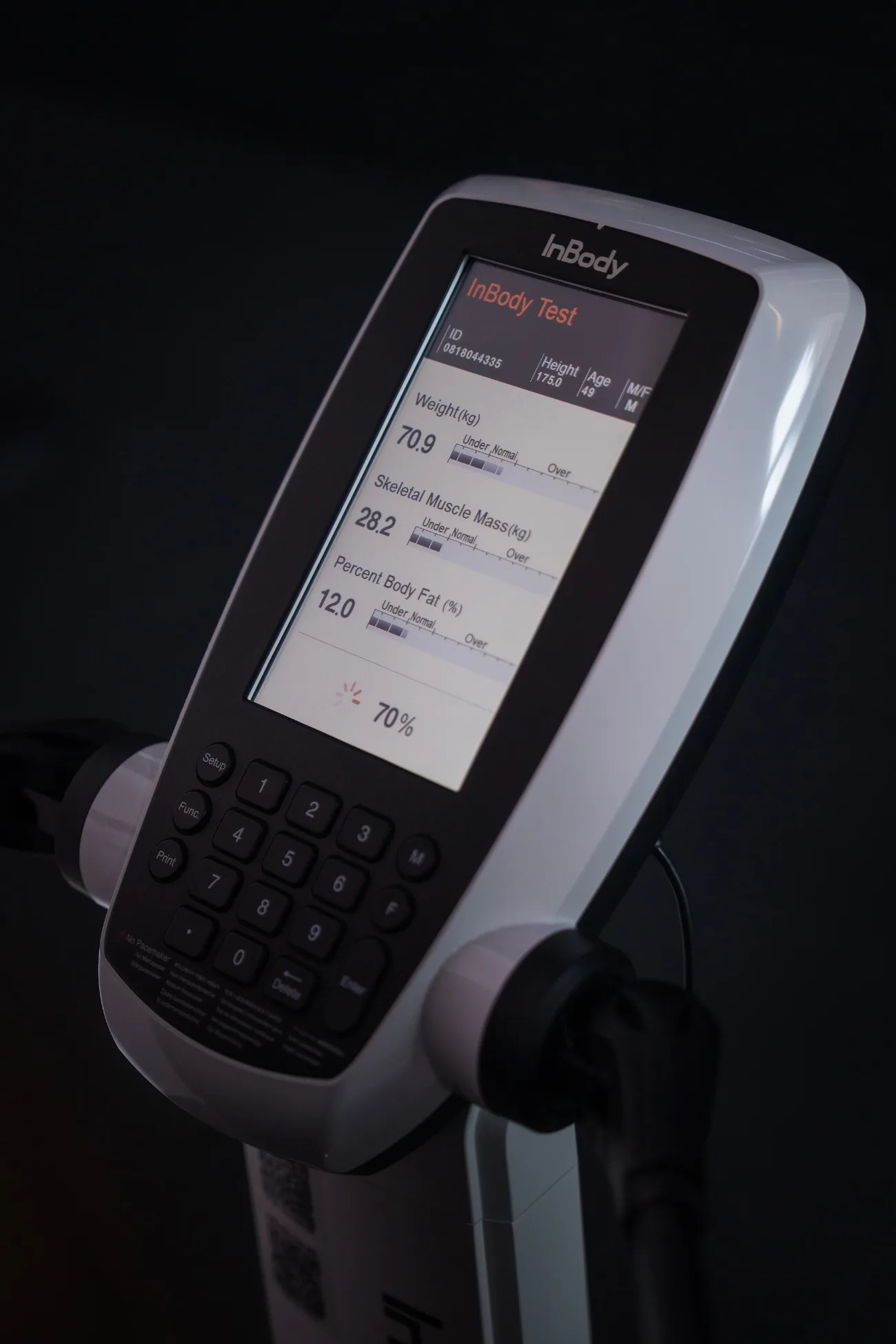
A movement screen, InBody body composition and a conversation about what your week looks like, before anything is programmed.
A written program
Built from your assessment and changed on your numbers, not on the calendar.
Strength that loads bone
Strength work that builds muscle and keeps bone loaded.
Nutrition alongside
Coached with the training and built around how you already eat, instead of a PDF you abandon by the second week.
A female coach
If you would like one, ask when you book.
The Aspire Ascent.
Our own movement model. Strength and conditioning organised so that progress has to be earned, with nine patterns in three families.
Hinge, squat, split
Push, pull, carry
Brace, locomote, position
Every pattern runs through five stages: own it, load it, open the range, challenge it, then express it under real conditions.
Between the stages sit four gates, and each gate has a named source of evidence behind it, so passing is a reading rather than an opinion. If the evidence isn’t there, you don’t move up. That sounds restrictive. It’s the reason people stop getting hurt.
Measured, then programmed.
Body composition is taken on an InBody in week one and retested every two weeks on the same machine under the same conditions, so the readings are comparable.
We look at muscle mass alongside body fat, because scale weight on its own hides whether you’re losing the tissue you wanted to lose. Fat loss that costs you muscle is not a result.
We also track whether the plan happened: sessions completed against sessions booked, food eaten against food planned. A good plan at sixty per cent adherence loses to an ordinary plan at ninety every time.
Lifting won’t make you bulky.
Building a large amount of muscle takes years of training specifically for it, eating in a surplus specifically for it, and wanting it enough to organise your life around it. It doesn’t happen by accident to someone training two or three times a week.
At the dose most women train at, strength work changes the shape of what’s already there, keeps bone loaded, and makes everything outside the gym easier. If you ever did want to get noticeably bigger, you’d have to ask us for it on purpose.
Train with a female personal trainer.
Several of our coaches are women, and you can ask for a female personal trainer when you book. Each coach works with a small number of clients, so sessions are coached rather than supervised. If being trained by a woman matters to you, say so at the consultation and we’ll match you. Nobody will make it awkward.
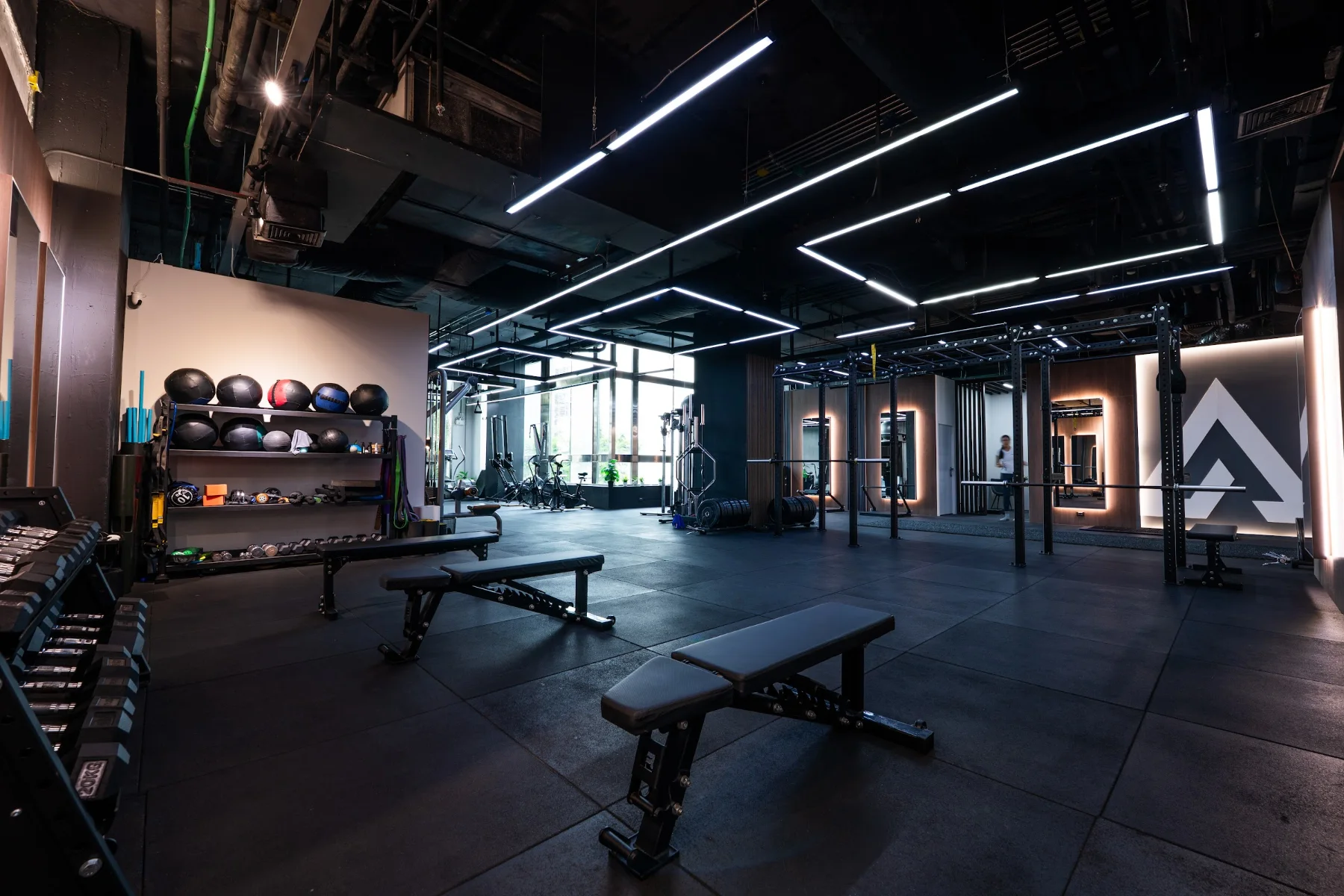
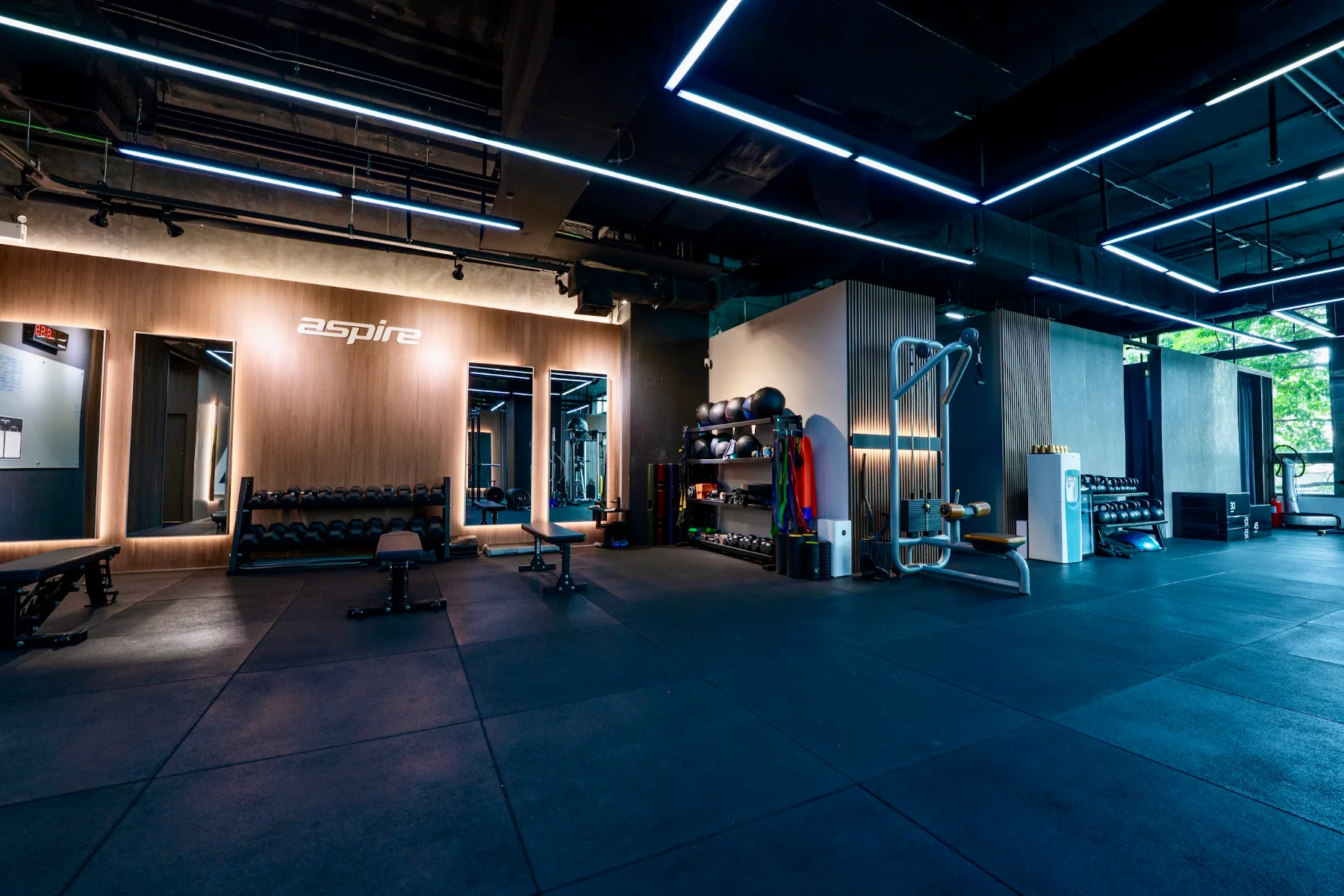
The physios work across both our floors, so you’re not sent somewhere else when something starts hurting.
What the trial includes.
The first appointment is the trial. It isn’t a workout designed to leave you on the floor.
You leave knowing what you’re doing, why you’re doing it, and what we’ll be looking at in two weeks.
Coaching then runs continuously rather than in a fixed block. We build the first phase around what the assessment shows, review it against the numbers, and change it when the numbers say to.
Strength training for women, answered.
Can I ask for a female personal trainer?
Yes. Several of our personal trainers and coaches are women, including Nate Sriphan and Kim Doyoun. Tell us when you book and we will match you.
Will lifting weights make me bulky?
No. Building a large amount of muscle takes years of training and eating specifically for it. At two or three sessions a week, strength training changes the shape of what is already there and keeps your bones loaded.
I have never lifted before. Is this for me?
Most women who start with us have not lifted before. The first session is an assessment, so the program begins from your current level of fitness rather than from where a template assumes you should be.
Do you run group classes for women?
No. Everything here is one to one, or semi private with one other person. The coach watches every set, which is the point.
How often should I train?
Two to three strength sessions a week is enough for most people to make steady progress. We set the number around your week rather than the other way round.
What does it cost?
It depends on how often you train and for how long, so we quote after the consultation rather than publishing a rate that would not apply to you. Flexible sessions or monthly plans, built on your commitment and your goals.
Where are you?
Jasmine City, 3rd Floor, 2 Soi Sukhumvit 23, Asok. A short walk from Asok BTS and Sukhumvit MRT.