

Fitness is often approached with short-term goals, such as losing weight, improving appearance, or preparing for an event. While these goals can be meaningful, they do not always support long-term health and physical ability. Longevity fitness focuses on building strength, mobility, endurance, and healthy habits that help you stay active and independent for years to come.
Rather than chasing quick results, this approach emphasizes consistent progress. It prepares your body for everyday activities, future goals, and the natural changes that come with aging. The objective is not simply to perform better today but to maintain the ability to live an active and healthy life for decades.
What Is Longevity Fitness?
Longevity fitness is a training approach that prioritizes long-term physical health instead of short-term outcomes. It focuses on maintaining the physical abilities needed for everyday life while supporting healthy aging.
A well-rounded longevity fitness program typically includes strength training, cardiovascular exercise, mobility work, balance exercises, and recovery. Together, these elements help improve physical function and reduce the risk of common age-related limitations.
The goal is not only to add years to life but to help you enjoy those years with greater strength, confidence, and independence.
Why Long-Term Fitness Matters
As people age, the body naturally changes. Muscle mass gradually decreases, bone density can decline, and joints may become stiffer if they are not used regularly. Recovery may also take longer than it did in younger years.
Regular exercise can help slow many of these changes. More importantly, it helps maintain the physical abilities that support everyday living.
A long-term fitness plan allows you to continue doing the activities you enjoy without unnecessary physical limitations. Whether your goal is to travel, play sports, keep up with your children or grandchildren, or simply move comfortably each day, consistent training provides the foundation.
Strength Is Essential for Healthy Aging
Strength training is one of the most important parts of longevity fitness. Strong muscles support daily activities such as carrying groceries, climbing stairs, lifting household items, and maintaining good posture.
Strength also helps stabilize the joints, making movement safer and more efficient. It supports bone health and contributes to better balance, which becomes increasingly important with age.
Strength training does not require lifting extremely heavy weights. A well-designed program focuses on improving functional strength through controlled movements that support everyday life.
Training consistently over time often produces better results than following intense programs for only a few weeks.
Mobility Helps You Continue Moving Well
Mobility refers to your ability to move through a full range of motion with control and comfort. It affects nearly every movement you make throughout the day.
Poor mobility can lead to stiffness, limited movement, and compensation patterns that increase stress on other parts of the body.
Including mobility exercises in your routine helps maintain joint health and movement quality. These exercises can improve flexibility, coordination, and overall physical function without requiring lengthy workouts.
Maintaining mobility also makes strength training and cardiovascular exercise more effective because the body moves more efficiently.
Cardiovascular Fitness Supports Long-Term Health
A healthy heart and lungs are essential for maintaining energy and endurance throughout life. Cardiovascular exercise improves circulation, supports heart health, and increases the body’s ability to perform physical activity.
Cardio does not have to involve long-distance running or high-intensity workouts. Walking, cycling, swimming, rowing, hiking, or other activities performed consistently can provide meaningful health benefits.
The best cardiovascular exercise is one that you enjoy and can continue doing regularly.
Balance and Stability Become More Important Over Time
Balance is often overlooked until it becomes a problem. Good balance supports safe movement during daily activities and helps reduce the risk of falls as people age.
Balance training improves coordination and body awareness. It also strengthens the muscles responsible for keeping you stable during walking, climbing stairs, or changing direction.
Simple exercises performed consistently can improve stability and confidence while moving through everyday tasks.
Recovery Is Part of the Training Process
Many people think progress only happens during exercise. In reality, the body adapts and becomes stronger during recovery.
Without proper recovery, fatigue can build, performance may decline, and the likelihood of injury increases.
Recovery includes several important habits:
- Getting enough sleep
- Eating a balanced diet
- Staying hydrated
- Allowing muscles adequate time to recover
- Managing stress
- Including lighter movement or mobility sessions when needed
Recovery should not be viewed as taking time away from fitness. It is an important part of making consistent progress.
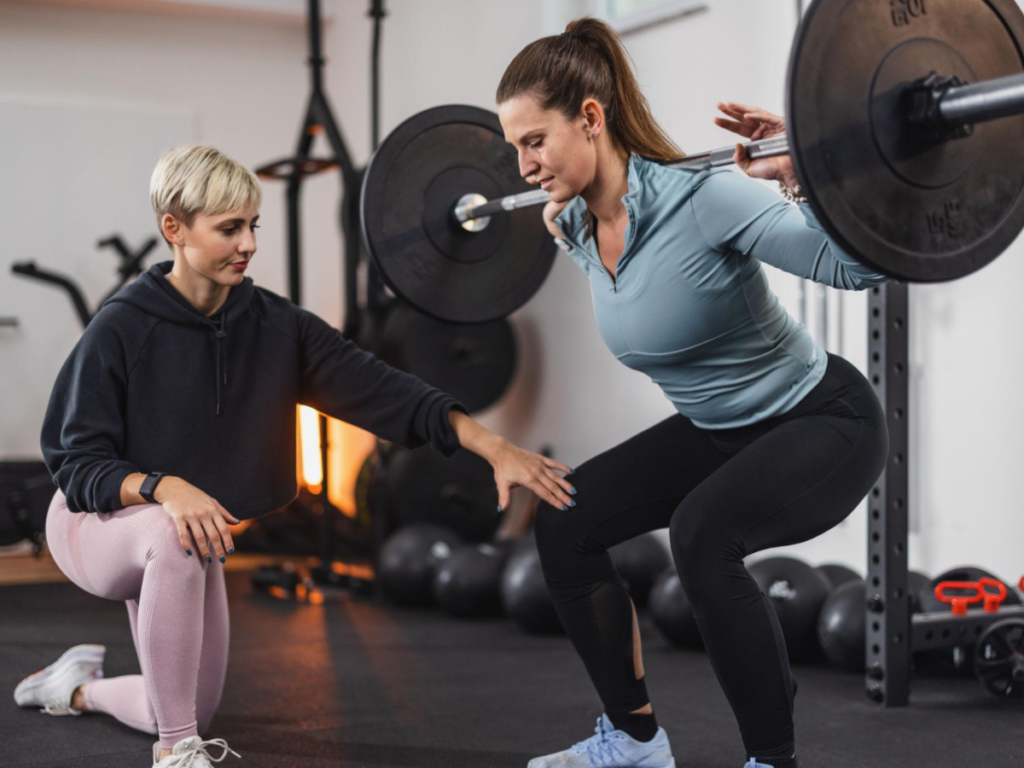
Consistency Produces Better Results Than Intensity
One of the biggest mistakes people make is trying to accomplish too much in a short period.
Extreme workout programs and restrictive diets may produce temporary results, but they are often difficult to maintain. Once the program ends, many people return to previous habits.
Longevity fitness focuses on consistency instead of perfection.
Three or four well-planned workouts each week over several years will generally produce better long-term results than exercising intensely for only a few months before stopping altogether.
Building habits that fit your lifestyle is more valuable than following a routine that is impossible to maintain.
Fitness Should Support Your Everyday Life
Exercise should make daily life easier, not more difficult.
A good training program helps you move better at work, complete household tasks with less effort, participate in recreational activities, and stay active with family and friends.
When fitness supports real-life activities, it becomes easier to stay motivated because the benefits extend beyond the gym.
Instead of measuring success only by appearance, consider improvements such as:
- Having more energy throughout the day
- Walking longer distances comfortably
- Lifting heavier objects safely
- Recovering more quickly after physical activity
- Feeling stronger during everyday tasks
These improvements often have a greater impact on quality of life than changes seen in the mirror.
Every Stage of Life Requires a Different Approach
Fitness needs change over time.
Someone in their twenties may prioritize athletic performance or muscle growth, while someone in their forties or fifties may place greater importance on maintaining strength, reducing joint discomfort, and preventing injuries.
Older adults often focus on preserving mobility, balance, and independence.
Although goals change, the foundation remains the same. Strength, cardiovascular fitness, mobility, recovery, and consistency continue to play an important role throughout life.
Adjusting training as your needs evolve helps ensure your program remains effective for years to come.
Common Mistakes That Limit Long-Term Progress
Many people unknowingly adopt habits that make long-term fitness more difficult.
One common mistake is focusing only on appearance. While physical changes can be motivating, they do not always reflect improvements in health or physical function.
Another mistake is ignoring recovery. Pushing through fatigue without adequate rest can increase the likelihood of injury and reduce performance over time.
Many people also overlook mobility training until discomfort begins to interfere with movement.
Finally, following generic workout plans without considering individual goals or physical limitations can slow progress. Every person has different strengths, challenges, and priorities, so a personalized approach often produces better long-term results.
How Professional Coaching Supports Long-Term Fitness Goals
Building a fitness routine that lasts for years requires more than motivation. It starts with a plan that reflects your current fitness level, lifestyle, and long-term goals. A structured approach helps you make steady progress while reducing the risk of injury and burnout.
Aspire Coaching works with individuals who want to build sustainable fitness habits rather than rely on short-term programs. Coaching focuses on developing strength, improving movement, supporting recovery, and creating realistic training plans that fit everyday life.
As goals change over time, training should change as well. Regular guidance and adjustments help keep workouts effective while ensuring they continue to support long-term health and physical performance.
Building a Fitness Routine That Lasts
Creating a sustainable routine does not require spending hours in the gym every day. A balanced program should include regular strength training, cardiovascular exercise, mobility work, and sufficient recovery.
Setting realistic goals also helps maintain motivation. Small improvements made consistently often lead to significant long-term results.
Fitness should fit into your life rather than compete with it. When your routine is practical and enjoyable, it becomes much easier to maintain over the years.
Building Fitness for the Long Term
Longevity fitness is about preparing your body for the future, not just the next few weeks. By developing strength, maintaining mobility, improving cardiovascular health, and building consistent habits, you can continue doing the activities that matter most throughout every stage of life.
A long-term approach recognizes that meaningful progress takes time. Instead of chasing temporary results, focus on creating routines that support your health, independence, and overall quality of life for years to come.
The best fitness plan is one you can maintain consistently. By making steady progress, adapting your training as your needs change, and focusing on habits that support long-term health, you can build a stronger body that continues to serve you well for years ahead.
Take the First Step
- Website: www.theaspireclub.com
- Visit us: Jasmine Building, 3rd Floor, Sukhumvit Soi 23, Asoke
- Contact us: https://theaspireclub.com/contact-us/
- Phone: +6680 188 4114
- Social: Follow us on Instagram and Facebook @theaspireclub
Longevity fitness is built through consistent habits, not short-term effort. Aspire Coaching helps individuals with demanding careers develop practical fitness routines that support long-term strength, mobility, and overall well-being while fitting into busy schedules.