
Most people think of health data tracking as counting calories or reaching a daily step goal. While these numbers are useful, they only provide a limited view of your overall health. Your body responds to many factors each day, including sleep, nutrition, recovery, stress, and physical activity. Looking at these areas together gives you a better understanding of how your body functions and what habits support your long-term health.
Instead of relying on guesswork, health data allows you to make informed decisions based on measurable trends. Whether your goal is to improve your fitness, increase your energy, or maintain your overall well-being, tracking the right information can help you build habits that last.
Looking Beyond Calories and Steps
Calories and step counts are often the first metrics people monitor because they are easy to measure. They can encourage movement and provide a general idea of daily activity. However, they cannot explain why one person feels energized after a workout while another feels exhausted, even if both completed the same routine.
The body is influenced by many factors working together. Sleep quality, recovery, hydration, nutrition, stress, and body composition all affect how you perform and how you feel each day. Looking at only calories or steps may overlook the reasons behind slow progress or ongoing fatigue.
What Health Data Tracking Can Measure
Modern wearable devices, mobile apps, and professional assessments make it easier than ever to understand your health from different angles. Rather than focusing on one measurement, they collect information that provides a broader picture of your daily habits and physical condition.
Common areas of health data tracking include:
- Sleep quality, heart rate, physical activity, body composition, recovery, nutrition habits, hydration, blood pressure, and stress levels.
- Long-term trends that show how your body responds to changes in exercise, diet, recovery, and daily routines.
When these measurements are viewed together instead of individually, they provide meaningful insights that support better decision-making.
Sleep Provides Valuable Insight
Sleep is one of the strongest indicators of overall health. A poor night’s sleep can affect concentration, exercise performance, mood, recovery, and energy levels throughout the day.
Tracking your sleep over several weeks often reveals patterns that are easy to miss. You may notice that a later bedtime affects your recovery or that consistent sleep schedules leave you feeling more energized. Rather than focusing on one night’s results, long-term trends help you understand what your body responds to best.
Heart Rate Reveals More Than Exercise Intensity
Heart rate is commonly associated with workouts, but it can also provide useful information throughout the day. Your resting heart rate may change when your body is recovering well, dealing with illness, or experiencing higher levels of stress.
Monitoring heart rate over time helps identify patterns instead of isolated measurements. A temporary increase may not mean much, but a consistent change over several days could indicate that your body needs additional rest or recovery before returning to intense activity.
Recovery Is Just as Important as Exercise
Many people focus on exercising harder without paying enough attention to recovery. However, recovery is when the body repairs and adapts to physical activity.
Health data can help you recognize whether your body is recovering properly. Changes in sleep quality, resting heart rate, energy levels, and overall fatigue often provide clues about whether you should continue training or allow more time for rest. Paying attention to these signals can support consistent progress while reducing the likelihood of overtraining.
Body Composition Tells a Better Story Than Weight
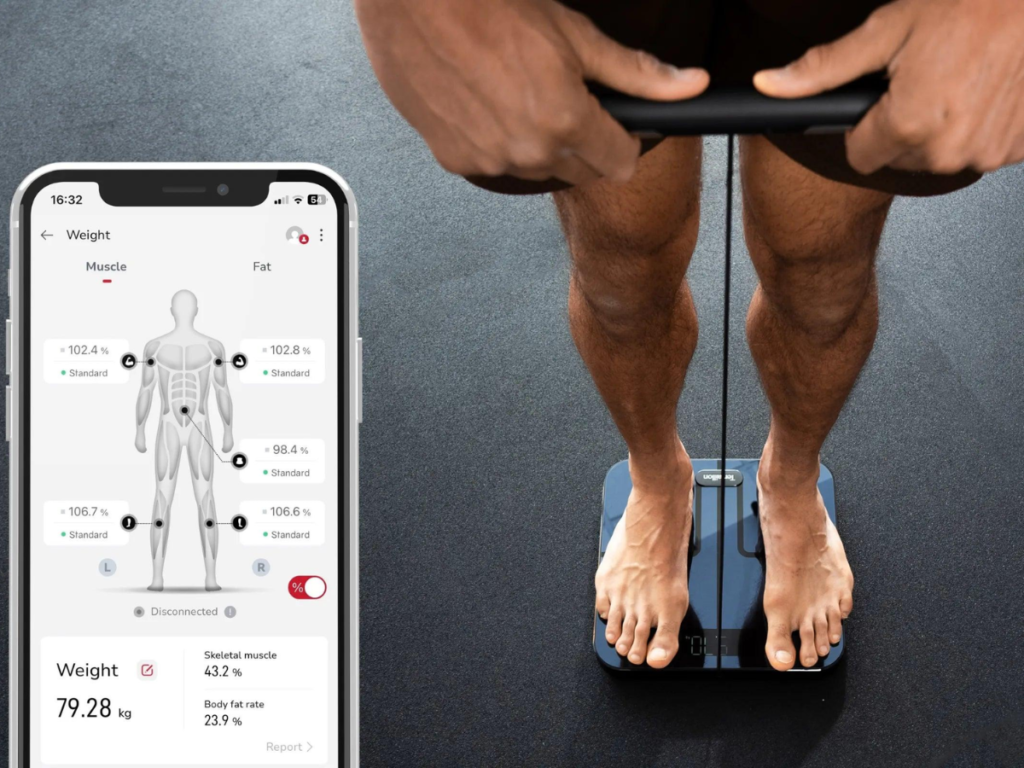
Stepping on a scale only tells you how much you weigh. It does not explain how much of that weight comes from muscle, body fat, or other tissues.
Body composition measurements provide additional context by showing changes that may not be reflected on the scale. Someone beginning a strength training program may gain muscle while reducing body fat, resulting in little or no change in body weight. Without body composition data, it would be easy to overlook meaningful progress.
Nutrition Is About More Than Calories
Counting calories can help some people understand their eating habits, but nutrition involves much more than total energy intake. Food quality, hydration, meal timing, and consistency all contribute to overall health and physical performance.
Tracking these habits over time may reveal that certain meals support better workouts, improved recovery, or steadier energy throughout the day. Rather than aiming for perfection, the goal is to identify habits that are practical and sustainable.
Stress Affects Physical Health
Stress is often viewed as a mental or emotional challenge, but it also affects physical health. Long periods of stress may interfere with sleep, recovery, exercise performance, and daily energy.
Some wearable devices estimate stress levels by monitoring changes in heart rate patterns. While these measurements are not medical diagnoses, they can help identify periods when your body may need additional rest or lifestyle adjustments. Looking at stress alongside sleep and recovery often provides a more complete picture of your overall health.
Focus on Trends Instead of Daily Numbers
One day’s data rarely provides enough information to make meaningful decisions. Health changes gradually, which is why long-term patterns are far more valuable than individual measurements.
For example, one poor night’s sleep is usually not a concern. However, if poor sleep continues for several weeks, it may explain lower energy, slower recovery, or reduced exercise performance. The same principle applies to nutrition, activity levels, and other health measurements. Looking for consistent patterns helps you make practical changes with greater confidence.
Data Should Support Healthy Habits
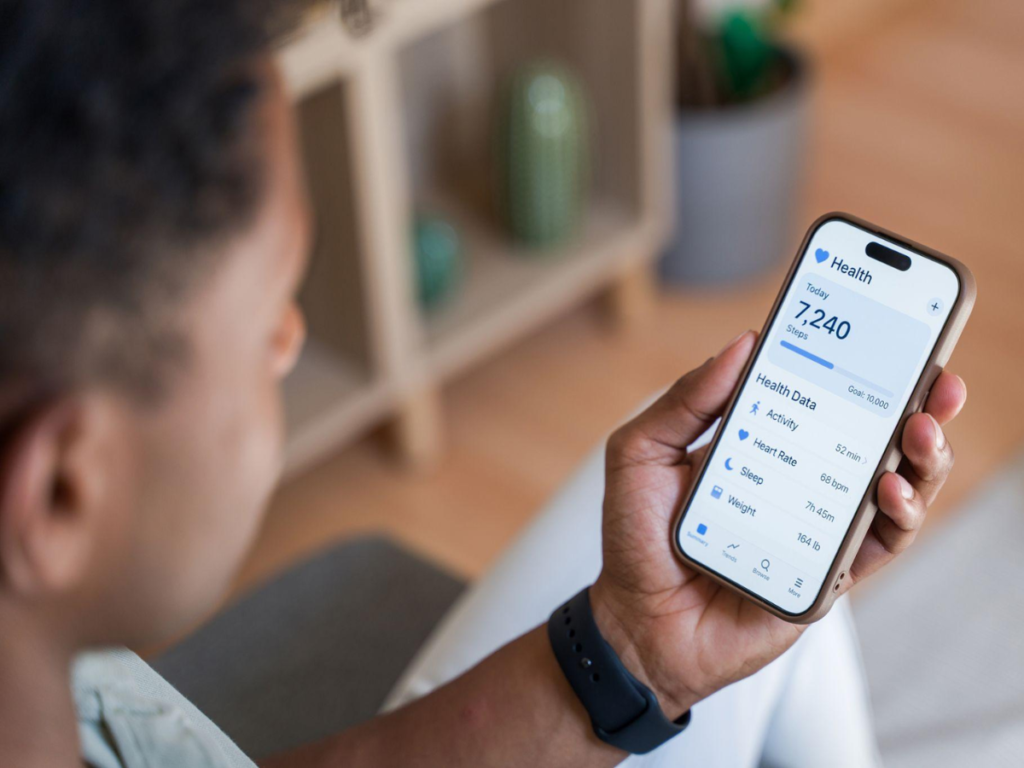
Health data should guide your decisions rather than control them. Wearable devices and apps provide estimates that are useful for identifying trends, but they are not perfect measurements.
Instead of chasing ideal numbers every day, use the information to better understand your habits. If your data shows that you recover better with an extra hour of sleep or perform better after improving your hydration, those insights can help you make realistic adjustments that fit your lifestyle.
Turning Information Into Action
Collecting health data only becomes valuable when you use it to improve your daily routine. Small adjustments based on consistent information often produce better long-term results than making major changes all at once.
For example, you may decide to improve your bedtime routine after noticing poor sleep patterns, increase your water intake when hydration is consistently low, or schedule recovery days after recognizing signs of fatigue. These practical decisions are easier to maintain because they are based on your own experience rather than assumptions.
Working With Professionals
Technology has made health data more accessible, but understanding what the numbers mean is just as important as collecting them. Wearable devices cannot replace professional guidance, especially when developing a long-term health or fitness plan.
Working with experienced professionals helps you interpret your results, set realistic goals, and create strategies based on your individual needs. Combining reliable data with professional support provides a stronger foundation for long-term success.
Looking Beyond Calories and Steps
Health data tracking offers a more complete understanding of your body than calories and step counts alone. By paying attention to sleep, recovery, heart rate, nutrition, body composition, stress, and other health indicators, you can make better decisions that support your long-term well-being.
Understanding how your body responds to daily habits is an important part of achieving long-term health and fitness goals. Aspire Coaching provides guidance that helps individuals interpret health data, build sustainable routines, and make informed decisions based on meaningful trends rather than isolated numbers.
Get Started
- Website: www.theaspireclub.com
- Visit us: Jasmine Building, 3rd Floor, Sukhumvit Soi 23, Asoke
- Contact us: https://theaspireclub.com/contact-us/
- Phone: +6680 188 4114
- Social: Follow us on Instagram and Facebook @theaspireclub
Using health data effectively can help you make informed decisions about your fitness and daily habits. Aspire Coaching provides personalized guidance to help individuals turn meaningful health insights into sustainable routines that support long-term wellness.