

Joint health plays an important role in how well the body moves, performs, and handles daily physical demands. Healthy joints support basic movements such as walking, bending, lifting, reaching, and climbing stairs. They also help athletes and active individuals perform exercises and sports with better control.
As people age or increase their activity levels, joint health can become more important. Repetitive movements, poor movement habits, previous injuries, inactivity, and excessive training can all affect how joints feel and function.
This is where joint health exercises can help. A consistent exercise routine can support mobility, strengthen the muscles around key joints, and help the body handle movement more effectively.
Why Joint Health Matters for Mobility
Mobility refers to the ability to move a joint through a useful range of motion with control. Good mobility makes everyday movements easier and supports proper exercise technique.
The joints in the hips, knees, shoulders, ankles, wrists, and spine all contribute to movement. When one area becomes stiff or weak, other parts of the body may have to work harder to compensate.
For example, limited ankle movement can affect how a person walks, squats, or climbs stairs. Limited hip mobility may change how the lower back moves during certain activities. Shoulder stiffness can make reaching overhead more difficult.
Maintaining joint mobility does not require complicated routines. Regular movement, basic strength exercises, and controlled range-of-motion work can support healthy joint function.
How Joint Health Exercises Support Long-Term Performance
Joint health exercises help support strength, mobility, flexibility, and better movement. Keeping the joints strong and mobile can make exercise and everyday activities feel easier and more comfortable.
The goal is to maintain healthy movement and build the strength needed to stay active, perform well, and move confidently over time.
Joint Health Exercises to Include in a Routine
A well-rounded routine can include several types of movement. Exercises should match a person’s current ability, activity level, and goals.
Controlled Range-of-Motion Exercises
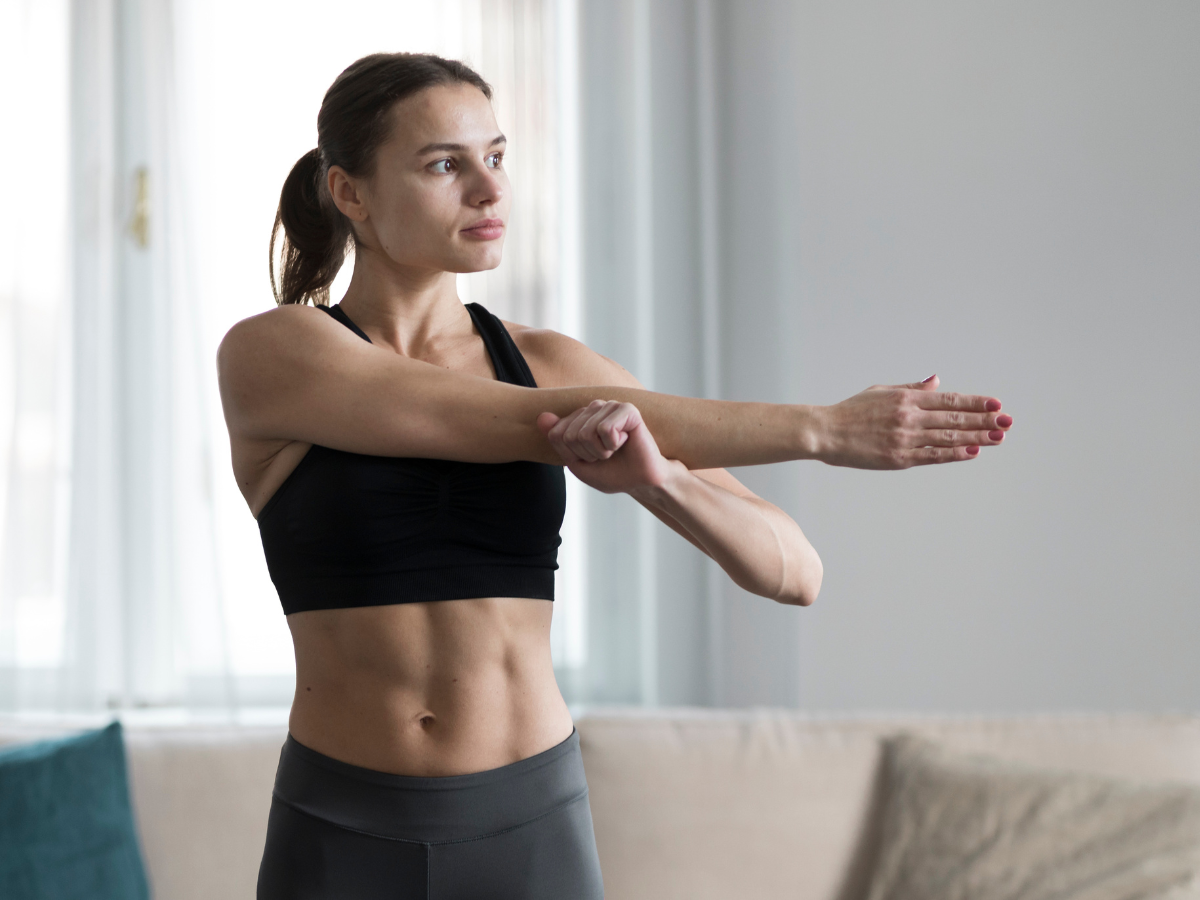
These exercises move a joint through a comfortable range without forcing it. Examples include controlled shoulder circles, ankle movements, hip rotations, and gentle spinal movements.
The purpose is to keep joints moving regularly and help identify areas that may feel restricted.
These exercises can work well as part of a warm-up or on lighter training days.
Strength Exercises
Strengthening the muscles around a joint can provide better support during movement.
For the knees, exercises such as squats, step-ups, and controlled lunges can work the surrounding muscles. For the hips, bridges and controlled hip-strengthening exercises can be useful. For the shoulders, appropriate pressing, pulling, and stability exercises can support upper-body function.
Exercise selection should depend on the person’s ability and physical needs. Good technique is more important than using heavy resistance.
Balance and Stability Exercises
Joint function also depends on control. Balance exercises can help people develop better control of the body while standing, walking, changing direction, or performing other movements.
Simple exercises such as single-leg stands can challenge balance and help identify differences between the two sides of the body.
More advanced exercises can be added as strength and control improve.
Low-Impact Movement
Walking, cycling, swimming, and other low-impact activities can provide regular movement without placing the same demands on the joints as high-impact exercise.
Low-impact activity can be especially useful for people returning to exercise after a period of inactivity. It can also provide an option for maintaining movement on days when intense training is not appropriate.
Joint Health Exercises Should Match Your Activity Level
Not everyone needs the same exercise routine.
A competitive athlete may need exercises that support repeated, high-demand movements. Someone who works at a desk may need more basic mobility and strength work. An older adult may place greater importance on balance, strength, and maintaining independence.
Training should also account for previous injuries, current limitations, and the demands of a person’s daily activities.
This is one reason a routine should not be based only on general exercise lists found online. An exercise that works well for one person may not be appropriate for another.
The right approach is to identify what the body needs and select exercises that address those needs without adding unnecessary strain.
Strength and Mobility Work Should Work Together
Strength and mobility work together to support better movement and physical performance. Building strength while maintaining joint mobility helps the body move with greater control and confidence.
Exercises such as squats use the hips, knees, and ankles while strengthening the muscles around them. Combining mobility and strength exercises can support smoother movement and help you stay active over time.
Joint Health and Injury Prevention
Maintaining strength, mobility, and good movement control can help the body handle everyday and training demands. A gradual approach also gives the body time to adjust as activity levels increase.
Warm-ups, regular movement, proper recovery, and balanced training all support healthy joints. Giving your body enough rest between workouts can also help you stay active and maintain long-term physical function.
Why Consistency Matters More Than Complexity
Joint health does not require a complicated workout plan.
A short routine performed consistently can be more useful than an advanced routine that is rarely completed. Regular movement helps keep joints active and gives the muscles repeated opportunities to develop strength and control.
For many people, joint-focused exercises can be included in an existing workout rather than treated as a separate training program.
For example, a person could spend a few minutes on controlled mobility movements before strength training, include joint-supporting strength exercises during the workout, and finish with light movement or stretching.
The routine can then be adjusted based on progress and changing needs.
Pay Attention to Pain and Movement Changes
Normal exercise can involve effort, muscle fatigue, and temporary discomfort. Joint pain that is sharp, persistent, worsening, or associated with swelling should not simply be ignored.
Changes in movement can also provide useful information. If a person suddenly has difficulty climbing stairs, reaching overhead, walking normally, or performing an exercise that was previously comfortable, it may be worth addressing the issue rather than continuing to train through it.
A qualified fitness or health professional can help determine whether an exercise should be modified or whether further assessment is needed.
The goal of joint health work is to support movement, not to force the body through pain.
Building Joint Health Into Long-Term Training
Joint health should be treated as part of overall fitness rather than something that only matters after an injury.
A long-term training program can include mobility work, strength exercises, balance training, and appropriate recovery. These elements help support the physical abilities needed for work, recreation, exercise, and daily life.
Progress should also be gradual. Increasing weights, exercise volume, speed, or training frequency too quickly can place unnecessary stress on the body.
Instead, make changes in manageable steps and pay attention to how the body responds.
This approach can help people remain active while making joint care a normal part of their training routine.
A Practical Approach to Better Joint Health
Improving joint health does not require spending hours on specialized exercises. The most useful approach is usually simple: move regularly, strengthen the muscles that support key joints, maintain useful mobility, and adjust training when the body needs more recovery.
Exercises should also reflect real-life goals. Someone who wants to run should train for running demands. Someone who wants to lift weights should work on the mobility and strength needed for lifting. Someone focused on staying active as they age may need to prioritize balance, strength, and comfortable daily movement.
A program should support what the person actually needs to do.
Joint health can be an important part of a broader approach to physical performance and long-term mobility. Practical training should support how the body needs to move while keeping exercises appropriate to an individual’s current ability, fitness level, and goals.
Supporting Long-Term Joint Health and Mobility
Healthy joints support movement, strength, balance, and physical performance throughout life. While joint health can change with age, activity, injury history, and daily habits, regular exercise can help maintain the abilities needed for everyday movement and training.
Joint health exercises are most effective when they are consistent, practical, and matched to individual needs. Combining mobility, strength, balance, and proper recovery can provide a strong foundation for staying active over the long term.
With guidance from Aspire Coaching, individuals can build practical habits that support movement quality, manage physical demands, and help them continue doing the activities that matter to them.
Get Started With Better Joint Health
- Website: www.theaspireclub.com
- Visit us: Jasmine Building, 3rd Floor, Sukhumvit Soi 23, Asoke
- Contact us: https://theaspireclub.com/contact-us/
- Phone: +6680 188 4114
- Social: Follow us on Instagram and Facebook @theaspireclub
Maintaining healthy joints requires consistent movement, strength training, and practical exercise habits. Aspire Coaching helps busy professionals build routines that support joint health, mobility, and physical performance while fitting into demanding schedules.